How the Right Filter Yarn Impacts Filtration Performance, Cartridge Lifespan, and Long-Term Cost Efficiency
As global demand for clean water, industrial process filtration, and pre-treatment systems continues to grow, the quality of filter cartridge yarn has become a decisive factor in filtration performance. Whether manufacturing string wound filter cartridges for municipal water treatment, food processing, chemical filtration, or industrial fluid applications, selecting the right yarn supplier can directly influence filtration efficiency, dirt-holding capacity, cartridge lifespan, and customer satisfaction.
Many buyers focus primarily on price when sourcing polypropylene filter yarn or absorbent cotton filter yarn. However, experienced filtration manufacturers understand that yarn quality determines the overall consistency and reliability of the finished filter cartridge.
This article outlines five critical factors every buyer should evaluate before choosing a filter cartridge yarn supplier.
Why Filter Cartridge Yarn Matters More Than Many Buyers Realize
A string wound filter cartridge is only as reliable as the yarn used to manufacture it. The winding structure creates the filtration path, but the yarn itself determines:
-
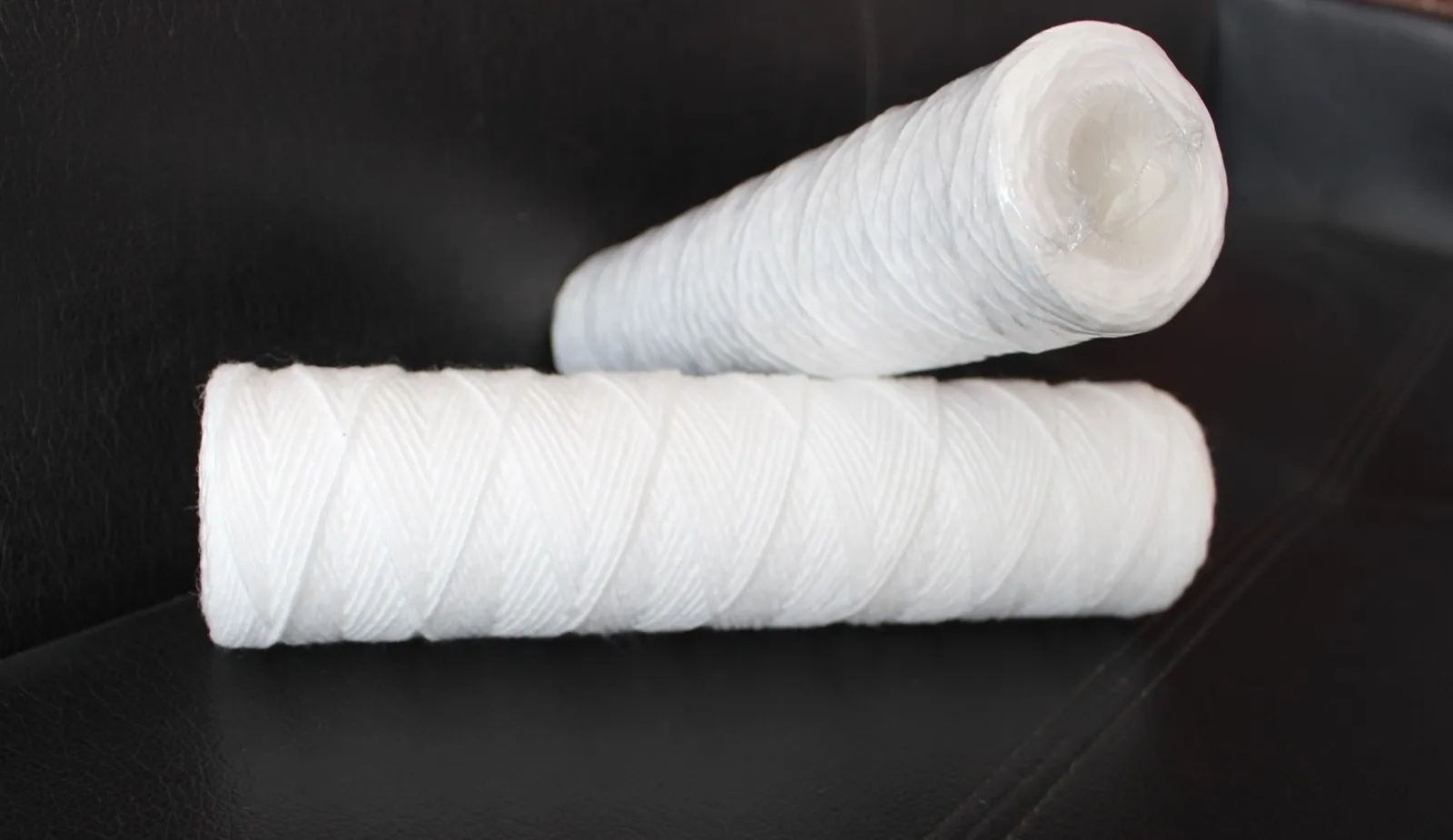
- Particle retention efficiency
- Dirt-holding capacity
- Pressure drop characteristics
- Chemical compatibility
- Cartridge service life
- Consistency between production batches
Poor-quality yarn often leads to uneven winding, fiber shedding, unstable filtration accuracy, and premature cartridge replacement, all of which increase operating costs.
For manufacturers serving demanding industries, selecting premium filter yarn is not an option-it is a requirement.
1. Raw Material Purity and Consistency
The first factor buyers should evaluate is the quality of the raw material.
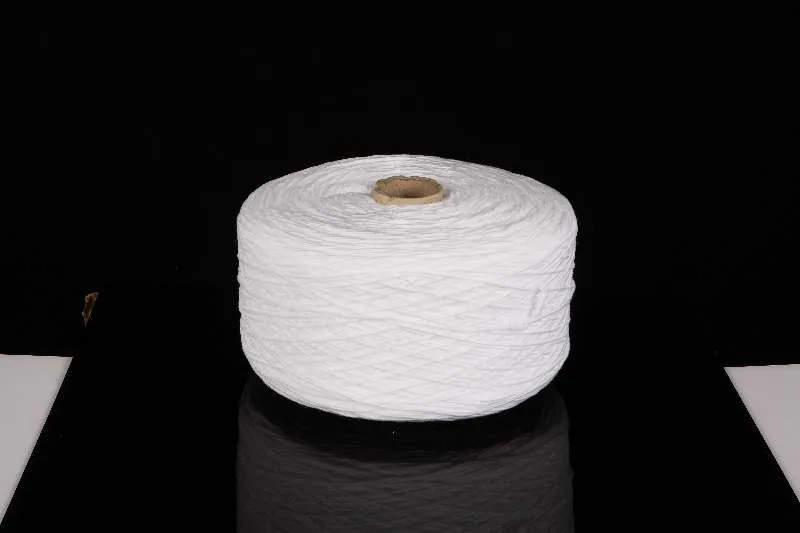
For polypropylene filter yarn, virgin polypropylene resin generally delivers better mechanical strength, improved chemical resistance, and more stable fiber formation compared with recycled materials. High-purity polypropylene also minimizes contamination risks in filtration applications.
For absorbent cotton filter yarn, fiber cleanliness, uniformity, and proper degreasing are essential to ensure stable liquid flow and filtration performance.
Before selecting a supplier, buyers should ask:
Is the yarn produced from virgin raw materials?
Is each production batch tested?
Are there documented quality control procedures?
Can the supplier provide consistent specifications over time?
Inconsistent raw materials frequently result in inconsistent cartridge performance, creating challenges for both manufacturers and end users.
2. Filtration Accuracy Requirements
Different filtration applications require different micron ratings.
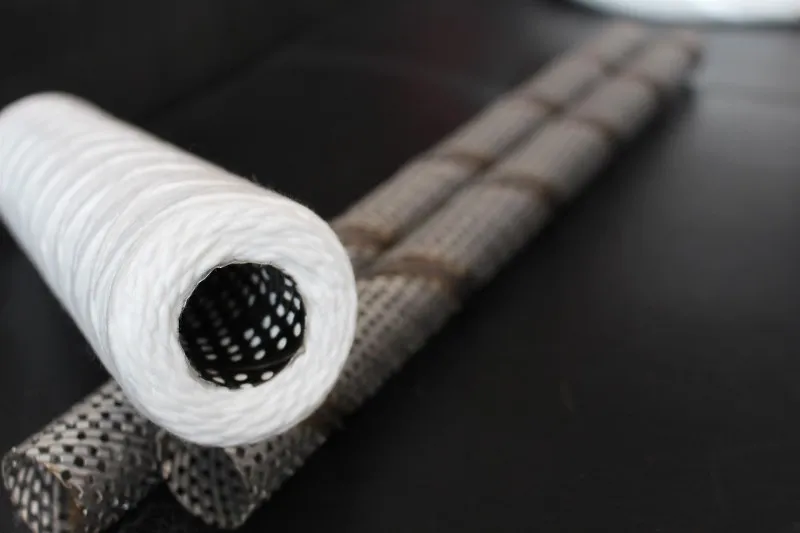
String wound cartridges are commonly produced in filtration ratings ranging from 0.5 micron to 100 microns or higher, depending on the yarn structure and winding pattern.
When sourcing filter cartridge yarn, buyers should ensure the yarn can support:
Fine Filtration Applications
- Reverse osmosis pre-filtration
- Electronics manufacturing
- Pharmaceutical processing
- Food and beverage production
Medium Filtration Applications
- Industrial process water
- Cooling systems
- Chemical filtration
Coarse Filtration Applications
- Sediment removal
- Wastewater treatment
- Agricultural water filtration
The ideal yarn should provide consistent diameter, tensile strength, and winding performance to achieve predictable micron ratings throughout production.
3. Chemical Compatibility with Target Applications
Chemical compatibility is often overlooked during supplier selection.
Polypropylene yarn is widely preferred because it offers excellent resistance to:
- Acids
- Alkalis
- Oxidizing agents
- Corrosive fluids
- Industrial chemicals
This makes polypropylene filter yarn suitable for a broad range of industrial filtration environments.
Meanwhile, absorbent cotton yarn is commonly selected for applications requiring:
- High liquid absorption
- Food-grade processing
- Specific chemical compatibility requirements
- Temperature-sensitive operations
Buyers should carefully match yarn materials with the fluids being filtered to maximize cartridge life and filtration efficiency.
4. Winding Performance and Manufacturing Stability
Even high-quality raw materials can underperform if the yarn lacks proper winding characteristics.
Premium filter yarn should provide:
- Uniform tension during winding
- Minimal fiber breakage
- Stable yarn diameter
- Low lint generation
- Consistent cartridge density
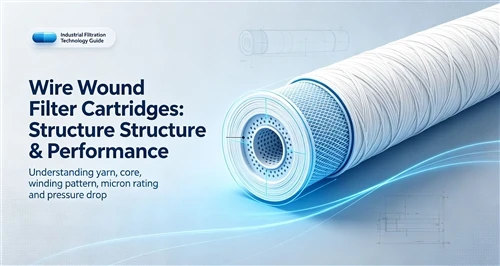
The precise winding pattern used in string wound filters directly influences dirt-holding capacity and filtration efficiency. Uniform yarn quality helps manufacturers maintain repeatable production standards and reduce waste.
When evaluating suppliers, buyers should request production samples and conduct winding tests under actual manufacturing conditions.
5. Supplier Manufacturing Capability and Long-Term Reliability
The final factor extends beyond the yarn itself.
A reliable supplier should possess:
- Modern production equipment
- Strict quality control systems
- Stable production capacity
- Export experience
- Technical support capabilities
For large-volume buyers, supply stability can be just as important as product quality.
Production interruptions can delay cartridge manufacturing, disrupt customer deliveries, and increase operational costs.
The Growing Importance of Global Supply Chain Partnerships
As filtration markets become increasingly competitive, buyers are moving away from transactional purchasing and focusing on strategic supplier relationships.
The best filter yarn suppliers help customers:
- Improve cartridge performance
- Reduce defect rates
- Maintain consistent product quality
- Shorten lead times
- Support OEM and customized production
This approach creates long-term value rather than simply lowering procurement costs.
Why More Global Buyers Are Choosing Zibo Anda Textile Co., Ltd.
With over two decades of manufacturing experience, Zibo Anda Textile Co., Ltd. has become a specialized producer of:
- Polypropylene Filter Yarn
- Absorbent Cotton Filter Yarn
- String Wound Filter Cartridges
- PP Filter Cores
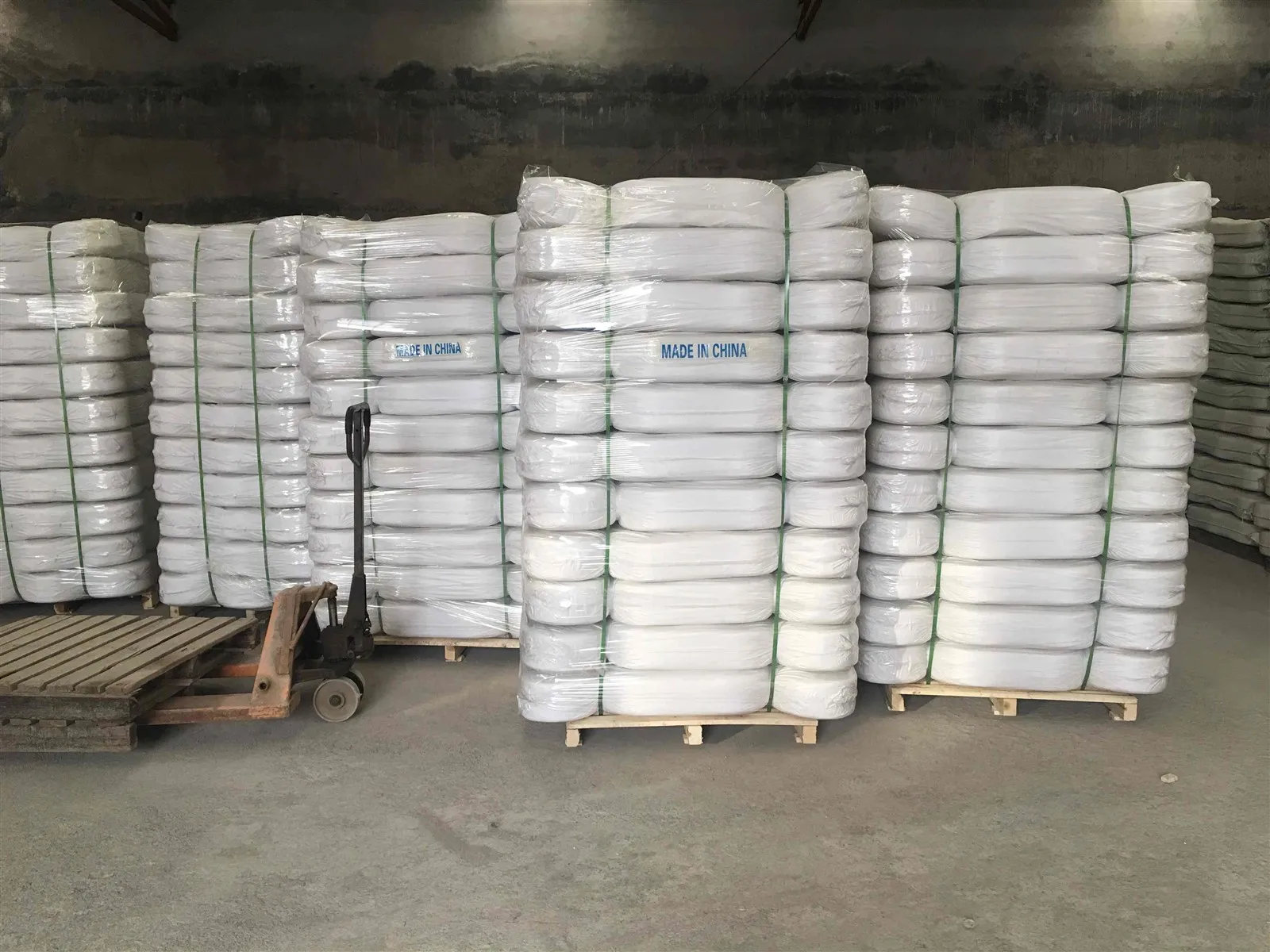
The company operates advanced automated production equipment and quality-control systems, enabling stable production and consistent product performance. Its products are supplied to customers across Asia, the Middle East, and international filtration markets.
Through continuous investment in manufacturing technology and process optimization, Zibo Anda Textile focuses on helping cartridge manufacturers improve filtration consistency while reducing production challenges.
Final Thoughts
When sourcing filter cartridge yarn, the lowest price is rarely the best value.
Successful filtration manufacturers evaluate suppliers based on:
- Raw material quality
- Filtration performance capability
- Chemical compatibility
- Manufacturing consistency
- Long-term supply reliability
By carefully assessing these five factors, buyers can improve cartridge quality, reduce operational costs, and build stronger relationships with their customers.
As global filtration standards continue to rise, selecting the right filter yarn partner may be one of the most important procurement decisions your business makes.
About Zibo Anda Textile Co., Ltd.
For manufacturers seeking reliable polypropylene filter yarn, absorbent cotton filter yarn, and string wound filter cartridge solutions, visit:
Explore customized filtration materials, OEM manufacturing support, and bulk supply solutions designed for both domestic and international markets.
📞:8215264322563
📫:bella@anda-filter.com